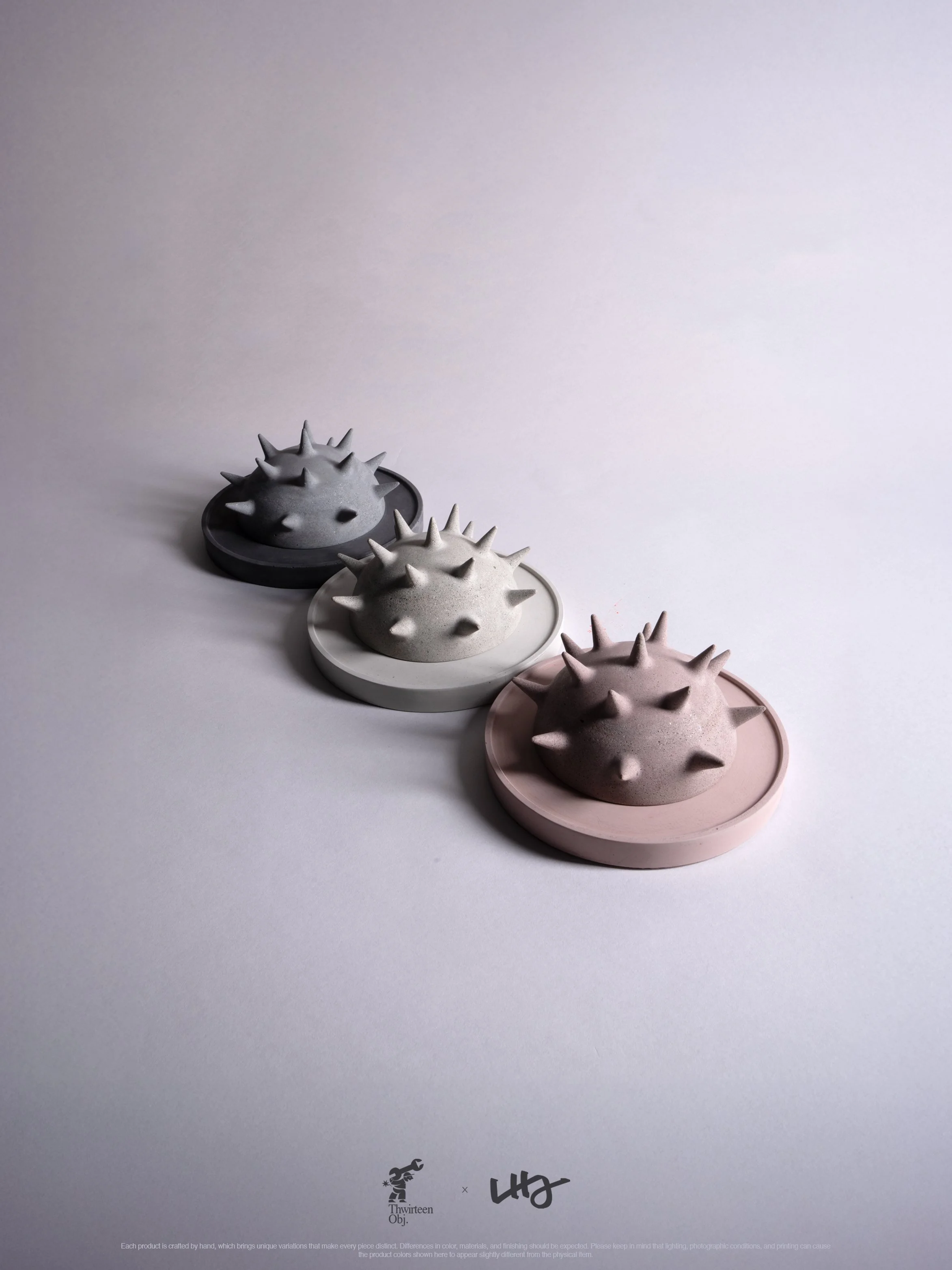
Spikeball™ — スパイクボール
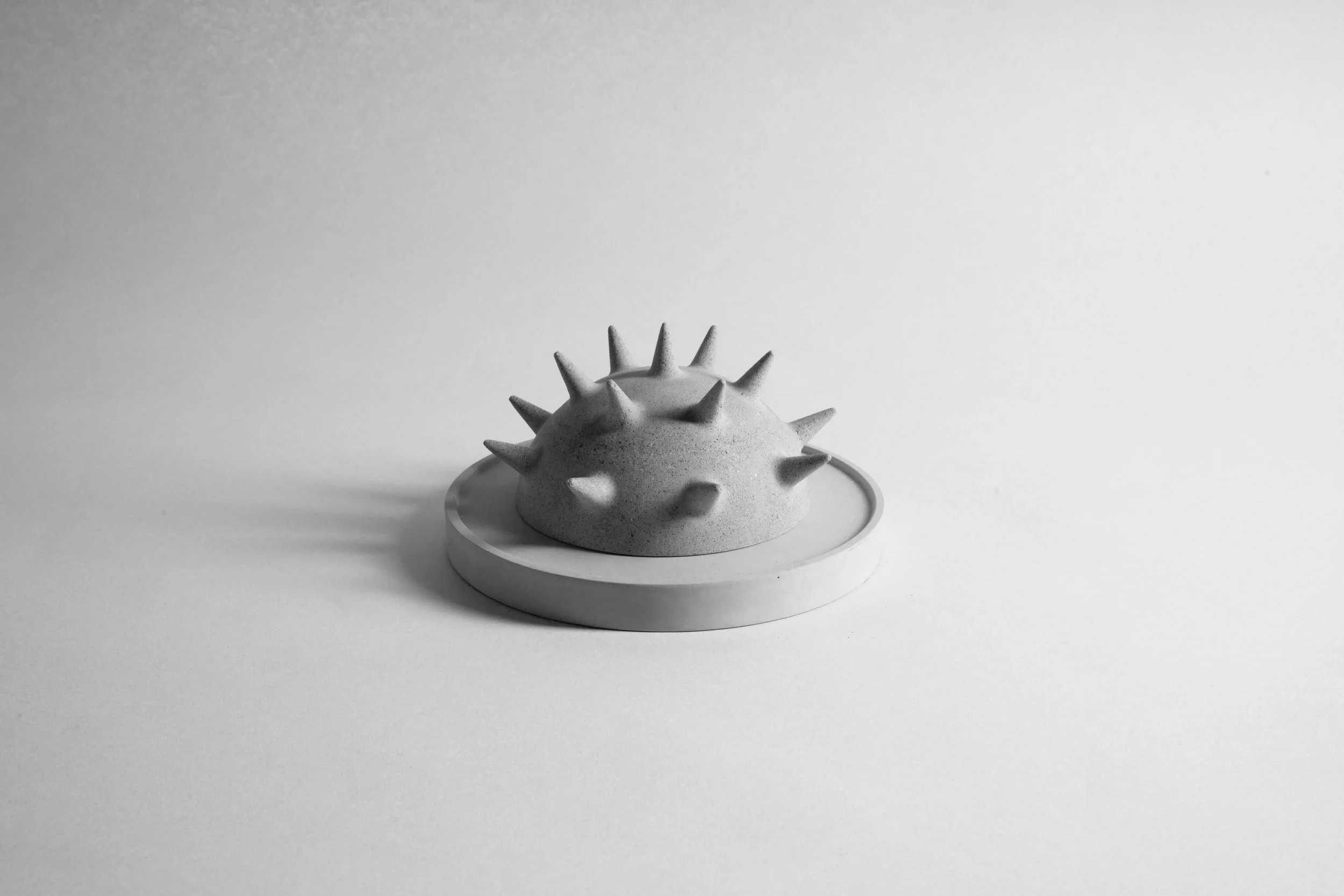
The Spikeball originated during the design process of the three-section table. I was drawn to the table’s strict, perpendicular edges and wanted to introduce a contrasting element that still felt structurally honest to the form.
Because the lumber I sourced was unusually long, I decided to design a very low table composed of three modular sections. Each section can be removed and replaced with a different plate, allowing the surface to shift in function and meaning. One of these interchangeable plates evolved into the Spikeball.
The Spikeball explores curvature within constraint. While the form is rounded, its edges remain rigid, creating a balance between softness and discipline. This contrast was intentional—designed to complement the sharp geometry of the table while subtly breaking its visual rigidity.

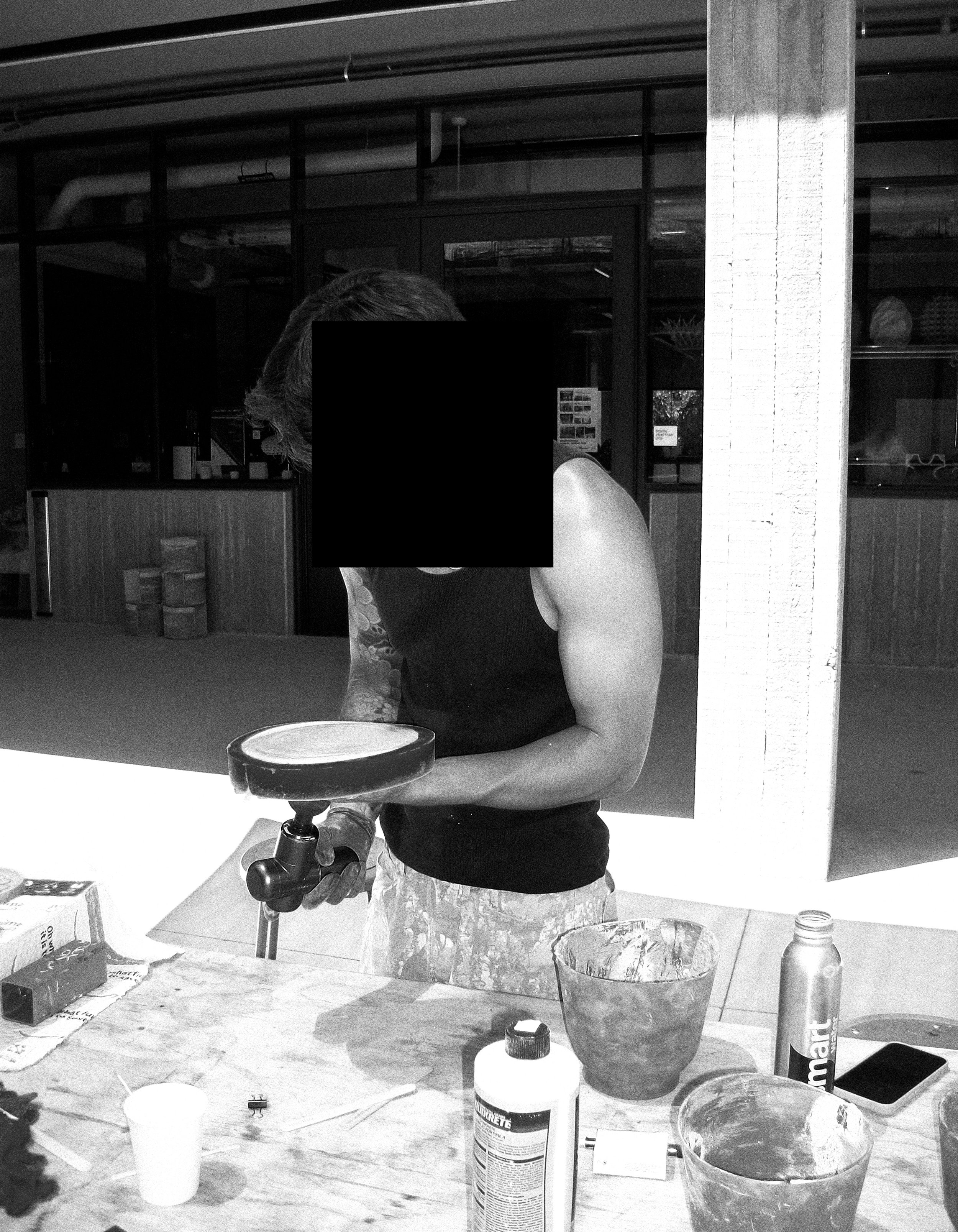
After defining the initial direction, I brought the idea to my close friend Han, who works extensively with concrete. I shared the concept with him, and he was immediately on board to develop the Spikeball as a standalone object rather than just a modular table component.
We returned to the drawing board together and refined the design, reshaping the spikes to be more curved so they would echo and complement the dome’s overall form. This shift softened the object while preserving its tension and structure. Once the form was finalized, we began fabricating molds and pouring concrete, allowing the material itself to play a central role in defining the final character of the piece.
While we were re-designing the product, I’ve started making short form videos and artworks for the product.
Every video was shot, rendered & edited by me. Graphic design also by me.
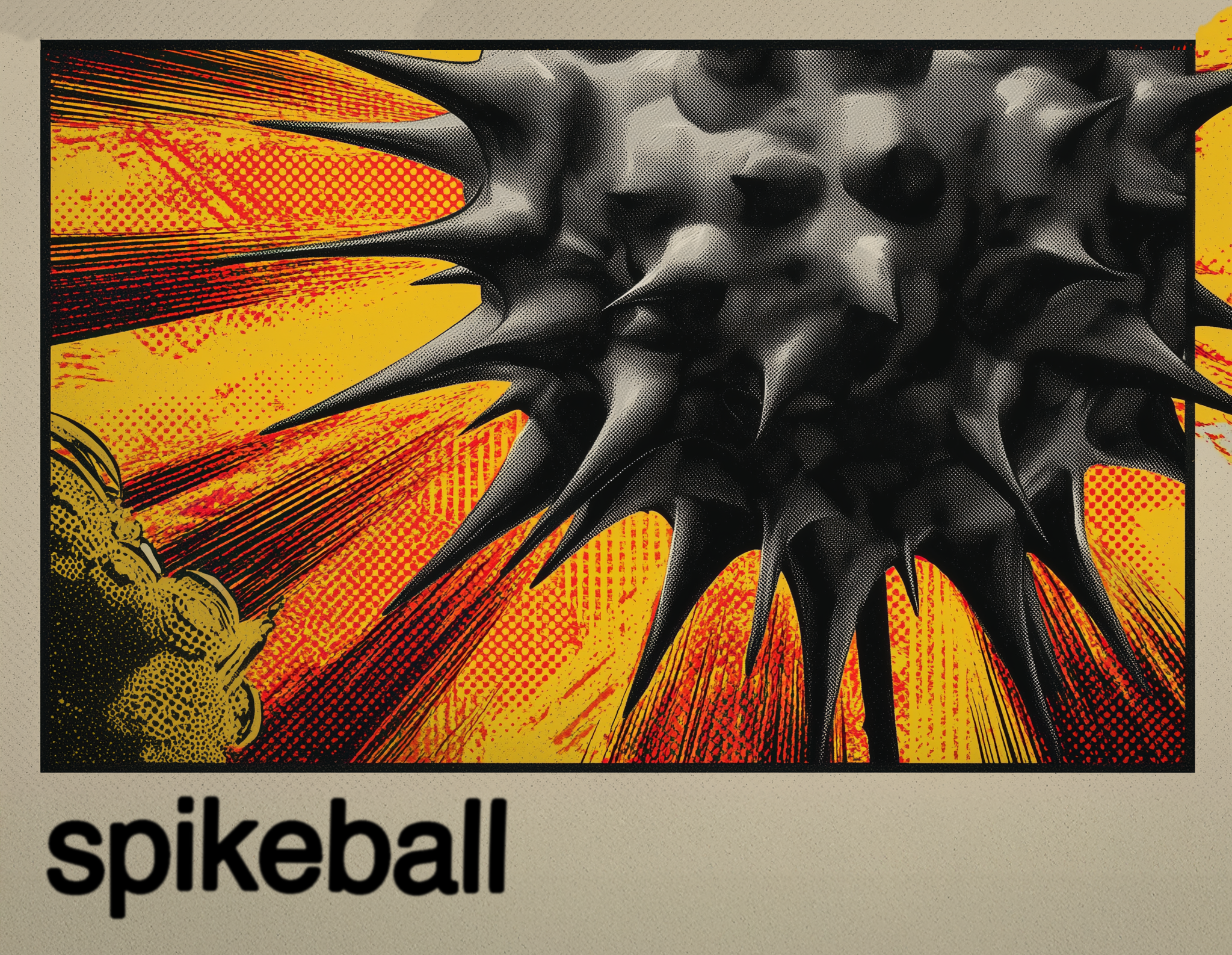
While producing the accompanying videos, I began thinking about how the object could communicate beyond its physical form. This led to the idea of an instruction booklet—designed to function both as a guide and as a thin coffee table book—released with the first batch of the Spikeball. Only 25 copies were produced.
Thwirteen is a brand built around engaging more than one human sense, using multiple inputs to deepen the relationship between the object and its user. The booklet extends this philosophy by guiding interaction beyond the product’s primary function of housing jewelry and personal belongings. Rather than prescribing use, it invites exploration, encouraging users to engage with the object through touch, placement, ritual, and reinterpretation.